
Few things are more frustrating on a hot Florida afternoon than an air conditioner that’s running constantly but never quite cools the house down. The unit sounds like it’s working, the vents are blowing, the thermostat is set correctly, yet the temperature won’t budge and the air just feels warm and heavy no matter how long the system runs. This is one of the most common HVAC complaints we hear, and it usually points to one of a handful of specific, identifiable causes rather than a single mystery issue. Below, we’ll walk through the most common reasons an AC runs without actually cooling the home, how to tell whether it’s a quick fix or something more serious, and what steps to take next to get comfortable again without wasting time or money guessing at the problem.
Common Reasons Your AC Runs Without Cooling
When an AC system runs constantly but doesn’t lower the indoor temperature, the issue almost always falls into one of a few categories. Identifying which one applies can save time and help set expectations before a technician even arrives, and it can also help homeowners avoid unnecessary repairs by ruling out what isn’t actually the problem. In many cases, the difference between a five-minute fix and a more involved repair comes down to catching the issue early.
Dirty Filters or Coils
A clogged air filter restricts airflow across the system’s coils, which limits how much heat the unit can pull out of the air moving through the home. Dirty evaporator or condenser coils cause a similar problem, since a layer of dust or grime acts as insulation and prevents the coils from transferring heat efficiently, even if the system is otherwise running fine mechanically. This is often the simplest cause to fix and one of the most overlooked.
Low Refrigerant
Refrigerant absorbs heat from indoor air and releases it outside through the condenser. If a system is low on refrigerant, usually due to a slow leak somewhere in the line set or coil, it simply can’t remove enough heat to cool the home properly, no matter how long the compressor runs. Unlike fuel in a car, refrigerant isn’t consumed during normal operation, so a low charge almost always points to a leak that needs to be found and repaired.
Thermostat or Electrical Issues
Sometimes the AC unit itself is mechanically sound, but a miscalibrated thermostat, a loose wire, or a failing capacitor is preventing the system from cycling correctly or communicating properly with the rest of the equipment. In these cases, the system may appear to run normally while never actually reaching the temperature set on the thermostat.
Blocked or Failing Ductwork
Even a perfectly functioning AC unit can fail to cool a home if the ductwork carrying that cool air is compromised. Disconnected sections, collapsed flex duct, or significant leaks can allow conditioned air to escape into attics or wall cavities before it ever reaches the living space, making it feel like the system isn’t cooling even though it’s working exactly as designed.
Outdoor Unit Struggles
The outdoor condenser needs unobstructed airflow to release the heat it’s pulling out of the home. Overgrown landscaping, stacked debris, or a unit placed too close to a fence or wall can all restrict that airflow, forcing the system to work harder while still falling short of proper cooling. This is one of the easiest issues to prevent with a quick visual check every so often.
Signs the Problem Is More Than Just a Filter
A simple filter change resolves many minor airflow issues, but certain symptoms suggest the cause runs deeper and needs professional attention rather than a quick at-home fix.
- Warm air blowing from vents even after the filter has been replaced
- Ice forming on the indoor coil or refrigerant lines
- A hissing or bubbling sound near the outdoor unit
- The system short cycling, turning on and off in quick succession
- A noticeable rise in humidity throughout the home
- An energy bill that keeps climbing despite constant operation
If any of these apply, it’s a sign the system needs a closer look rather than a simple at-home fix, since continuing to run a struggling system can put additional strain on the compressor and lead to a more expensive repair later. A professional AC repair visit can pinpoint the exact cause instead of leaving it to guesswork, which often prevents a small issue from turning into a much bigger one and helps avoid unnecessary part replacements that don’t actually solve the underlying problem.
Refrigerant Leaks and Airflow Problems
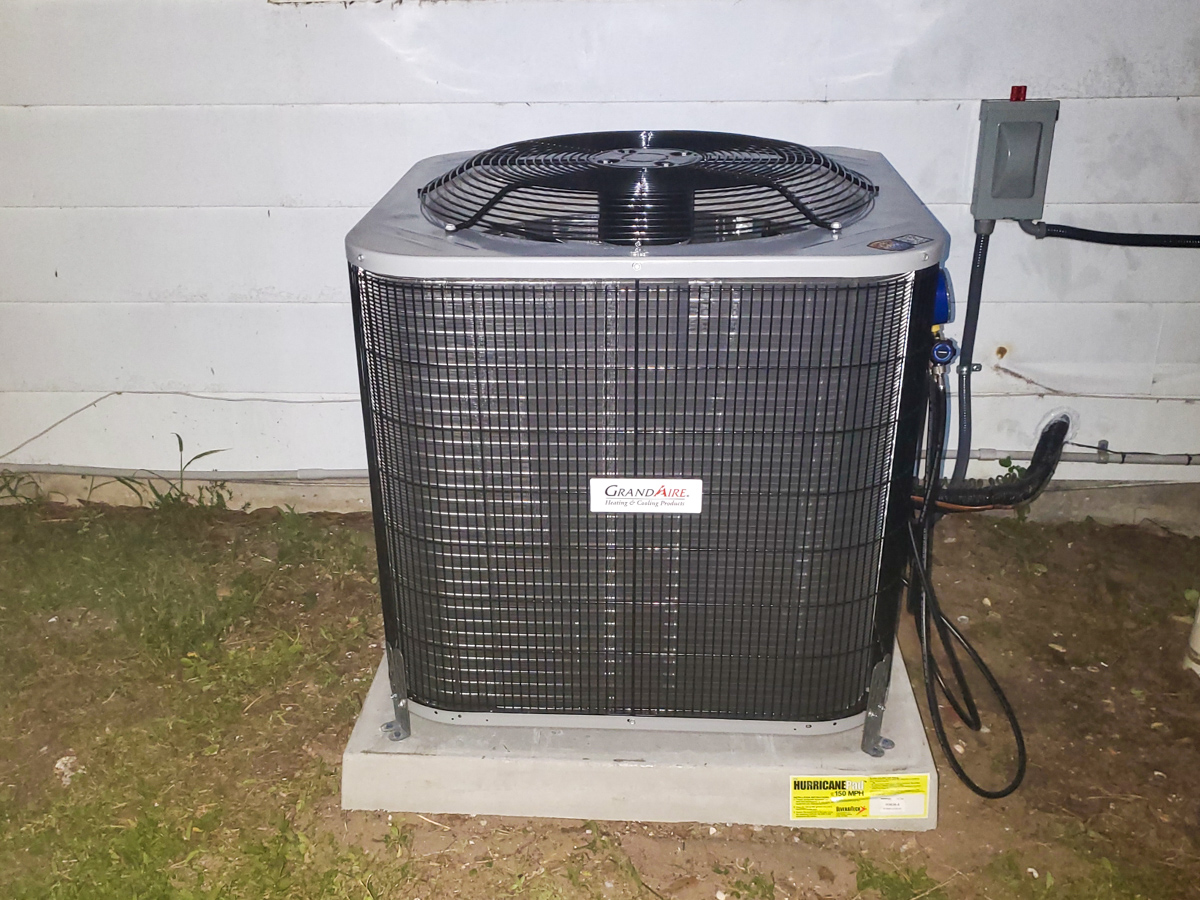
Two of the most common culprits behind a system that runs without cooling are refrigerant leaks and restricted airflow, and both require a slightly different approach to diagnose and fix correctly.
Diagnosing a Refrigerant Leak
Refrigerant doesn’t get used up during normal operation, so a low level almost always means there’s a leak somewhere in the line set, coil, or a connection point. A technician can pressure test the system, locate the source of the leak, repair it, and recharge the refrigerant to the manufacturer’s specification, which restores the system’s full cooling capacity. Simply adding refrigerant without repairing the leak only offers a temporary improvement before the level drops again, and it can end up costing more in the long run than addressing the leak the first time around.
Restoring Proper Airflow
Airflow restrictions can come from a dirty filter, a blocked return vent, a failing blower motor, or ductwork that has come loose or developed a leak somewhere along its run. Improving indoor air quality and duct performance often resolves cooling complaints that seemed, at first, like a problem with the AC unit itself rather than the system delivering that cooled air. We covered some of the connections between air quality, ductwork, and system performance in our post on how indoor air quality affects your home, which is worth a look if stale air, dust, or uneven cooling has been an ongoing concern in certain rooms.
When a Repair Is the Right Fix
In most cases, a system that’s running but not cooling can be brought back to full performance with a targeted repair rather than a full replacement. This is especially true if the equipment is relatively new, has been well maintained over the years, and the issue is isolated to a single component like a capacitor, a refrigerant leak, or a blower motor rather than several failing parts at once. A qualified technician can usually confirm within a single visit whether the fix is straightforward or whether it points to a bigger underlying issue.
Routine preventive maintenance also plays a role in avoiding this situation in the first place. Many of the issues that lead to a system running without cooling, such as low refrigerant, dirty coils, or worn electrical components, are exactly what a seasonal tune-up is designed to catch before they cause a breakdown during the hottest part of the year. If the problem happens during extreme heat or after hours, our emergency AC repair team is available to get the system back on track quickly, since a home without working cooling in Florida’s climate isn’t something that can safely wait until the next business day. We shared more on handling urgent situations like this in our guide to rapid emergency AC solutions, including what to expect during an after-hours service call.
When to Consider a Full System Replacement
Not every case calls for a repair. If the system is older, has needed frequent service calls over the past year or two, or the cost of ongoing repairs is approaching what a new unit would cost, replacement is often the more practical long-term choice rather than continuing to invest in a system that keeps falling short. Age alone isn’t the only factor, but a system nearing the end of its typical service life combined with a cooling complaint is usually a strong signal that repair costs will keep adding up. A newer AC installation also brings better efficiency, quieter operation, and more consistent cooling performance, all of which matter throughout Southwest Florida’s long, humid cooling season.
This applies across the region, whether the home is in Sarasota, Bradenton, or Venice. We discussed some of what goes into that decision in our guide on choosing the right AC system for your home, which walks through sizing, efficiency, and other factors worth weighing before committing to new equipment. A technician familiar with local humidity and heat conditions can help determine whether repair or replacement makes more sense for a specific system, budget, and household’s cooling needs.
Quick Troubleshooting Checklist
Before calling for service, run through this quick checklist to help narrow down the issue and give a technician a clearer picture when they arrive:
- Filter has been checked and replaced if dirty
- Outdoor unit is clear of debris and has open airflow
- Thermostat is set correctly and batteries, if any, are working
- No visible ice on the indoor coil or refrigerant lines
- No unusual hissing, bubbling, or grinding sounds
- Vents throughout the home are open and unblocked
- Circuit breaker for the system hasn’t tripped
If the system is still running without cooling after checking these basics, it’s time to bring in a professional rather than continuing to troubleshoot on your own, especially if temperatures inside the home are climbing or the humidity feels noticeably higher than usual.
Get Your Home Cooling Again
An AC that runs constantly without cooling is a problem that only gets worse with time, and often more expensive the longer it’s left unaddressed. Our team can diagnose the exact cause quickly, whether it’s a simple airflow fix, a refrigerant leak, a failing component, or a sign that replacement makes more sense, and get your home comfortable again without unnecessary delay or guesswork. Schedule a Free Estimate today and let us help you find the right solution for lasting, reliable cooling in your home or business.
Ready for an expert opinion? Get in touch today!
Explore HVAC guides, seasonal AC tips, and home cooling advice from Keepin You Kool, Sarasota’s trusted hometown AC experts.
Like this article? Spread the word!
Related Posts

AC Repair vs. Replacement: How to Decide in Sarasota
Not sure whether to repair or replace your AC in Sarasota? Learn the signs, costs, and…
How to Lower Your Energy Bill With a More Efficient AC System
Learn why your Sarasota area AC may be running inefficiently and how a tune-up or upgrade…

AC Sales in Venice, FL: How Keepin You Kool Helps Homeowners Choose the Right Cooling System for Lasting Comfort
Looking for AC sales in Venice, FL? Keepin You Kool helps homeowners choose the right…