
High energy bills during the Southwest Florida cooling season are often a sign that an air conditioning system isn’t running as efficiently as it should. Whether the culprit is an aging unit, skipped maintenance, a duct leak, or a system that was never sized correctly for the home, energy waste adds up quickly in a climate that demands near constant cooling for much of the year. The good news is that a few targeted changes, from routine upkeep and simple thermostat habits to a smarter equipment upgrade, can make a real and lasting difference in monthly utility costs. In this guide, we’ll walk through what actually causes inefficient cooling, the warning signs worth watching for, and the practical steps homeowners and business owners alike can take to run a more efficient AC system year-round without sacrificing comfort.
Why AC Efficiency Directly Impacts Your Energy Bill
Air conditioning is typically the single largest contributor to a home’s monthly energy bill, especially in a climate where cooling systems run for most of the year rather than a single season. When a system operates efficiently, it uses less electricity to reach and maintain a comfortable indoor temperature. When it doesn’t, the compressor and fan motor work harder and longer to produce the same result, which drives up both energy consumption and wear on the equipment over time.
Several factors affect how efficiently a system runs. Age is one of the biggest. Older units lose efficiency over time as components wear down, refrigerant levels drop, and parts no longer perform at their original specifications. A system that once cooled a home comfortably on a moderate setting may need to run constantly just to keep up with the same demand, quietly pushing the monthly bill higher without any obvious sign of a problem.
Improper sizing is another common issue that homeowners rarely think about until it’s pointed out. A system that is too small for a home will run nonstop trying to keep up, while one that is too large will cycle on and off frequently without properly controlling indoor humidity, wasting energy in short, inefficient bursts. Routine maintenance plays a major role as well, since dirty filters, low refrigerant, and neglected coils all force a system to consume more power than necessary just to deliver the same level of comfort a well-maintained unit could provide for less.
Signs Your AC System Might Be Costing You More Than It Should
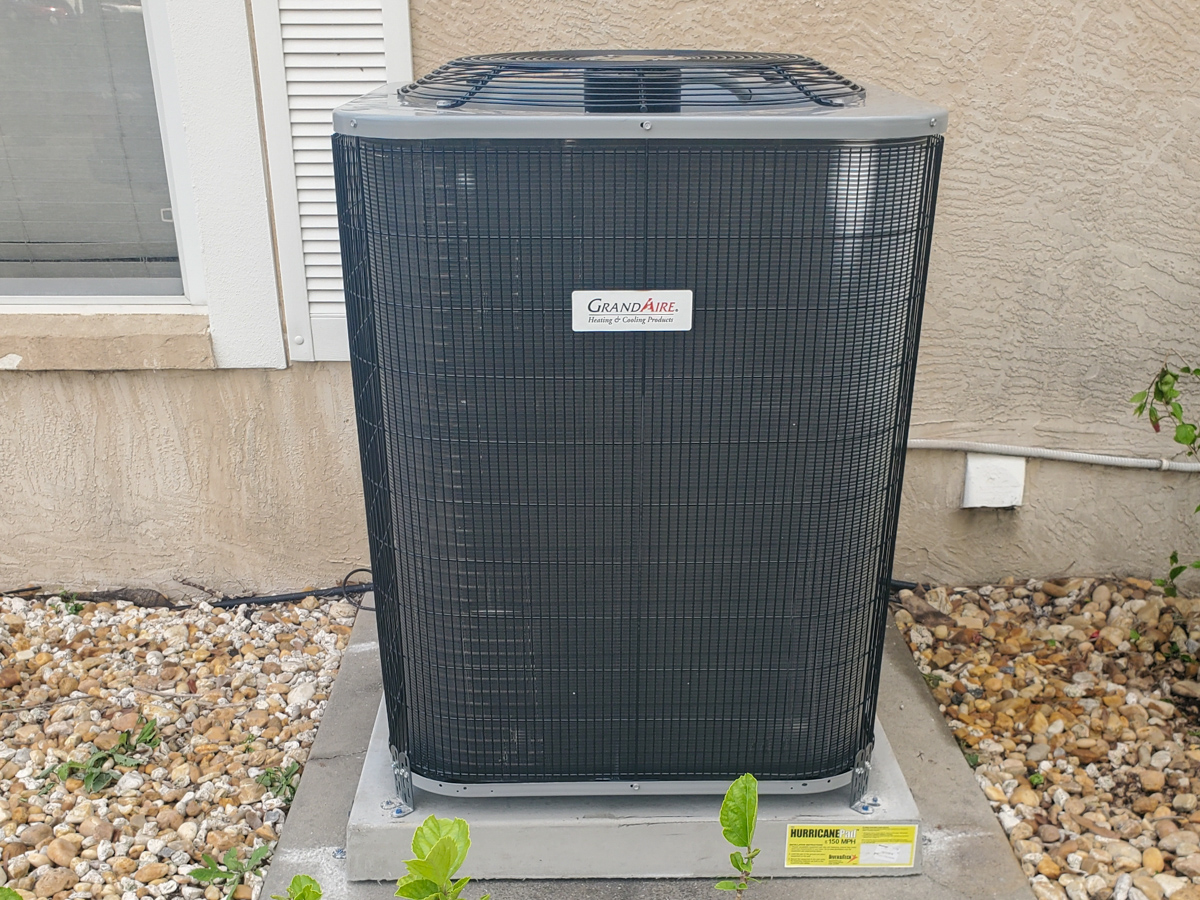
Homeowners often assume a high energy bill is simply the cost of living in a warm climate, but in many cases it points to a specific, fixable issue with the system itself. Knowing what to look for can help identify problems early, before they lead to a full breakdown or a much larger repair bill down the road. A short list of warning signs can save both money and frustration if caught in time.
- Energy bills that climb steadily even though usage habits haven’t changed
- Uneven cooling, with some rooms noticeably warmer than others
- An AC system that runs for long stretches without shutting off
- Higher than normal indoor humidity, even with the system running
- Unusual noises, such as grinding, rattling, or constant cycling
- A system that is more than 10 to 12 years old
If any of these sound familiar, it’s worth having the system evaluated by a professional rather than waiting to see if the problem resolves on its own. In some cases, a targeted AC repair can restore lost efficiency for a fraction of the cost of a full replacement, particularly if the issue is caught early. We also covered several of these warning signs in more detail in our post on when Sarasota homeowners should schedule AC maintenance, which is a helpful next read if you’re not sure whether your system needs attention now or can reasonably wait until the next service visit.
How a More Efficient AC System Can Lower Your Costs
For homeowners with an aging or undersized system, upgrading to newer equipment is often the most effective long-term way to reduce energy costs. Modern systems are built to deliver the same or better cooling performance while using significantly less electricity to do it, especially compared to units that are a decade or more old and were never designed with today’s efficiency standards in mind.
SEER Ratings Matter
Every AC system has a SEER, or Seasonal Energy Efficiency Ratio, rating that reflects how much cooling it produces per unit of electricity used. Higher SEER ratings mean better efficiency. Replacing an older, lower-rated system with a modern high-efficiency model can lead to a noticeable drop in monthly cooling costs, especially in a climate where the system runs for most of the year rather than a few peak months.
Proper Sizing and Installation
Efficiency isn’t only about the equipment itself. A system that is correctly sized and properly installed for the home’s square footage, layout, and insulation will run more efficiently than a mismatched system, regardless of its SEER rating. This is one reason a professional load calculation matters just as much as the equipment brand when it comes to actual monthly savings.
Comparing the Long-Term Cost
It’s worth weighing the upfront cost of a new system against what an inefficient one is quietly costing every month. A unit that struggles to keep up, requires frequent repairs, and pushes energy usage higher can end up costing more over several years than a properly sized, higher-efficiency replacement would from the start. Factoring in fewer repair calls and more predictable monthly bills often makes the comparison clearer than it first appears.
We walked through more of what goes into choosing the right unit in our guide on choosing the right cooling system for lasting comfort, which covers what to consider before committing to a new AC installation.
Simple Habits That Improve AC Efficiency Year-Round
Not every efficiency improvement requires new equipment. A number of simple, low-cost habits can help any system, new or old, run more efficiently between service visits, and many of them take only a few minutes to put into practice while still adding up to real savings over a full year.
- Replace or clean air filters every one to three months
- Keep outdoor condenser units clear of debris, plants, and dirt
- Use a programmable or smart thermostat to avoid unnecessary cooling
- Seal gaps around doors, windows, and ductwork to prevent air loss
- Schedule seasonal tune-ups before peak cooling months
- Keep vents unblocked by furniture or curtains
Duct leaks in particular can quietly undermine efficiency, since conditioned air escapes into attics or crawl spaces before it ever reaches the living space, forcing the system to work harder to reach the same set temperature. If your home’s air feels stale or the ductwork hasn’t been inspected recently, our post on duct cleaning and air quality is a useful place to start. Clean, well-sealed ductwork paired with consistent residential AC service gives homeowners the best chance at keeping bills predictable throughout the year, rather than being surprised by a spike during the hottest months.
Why Southwest Florida Homes Need Extra Attention to Efficiency
Homes throughout the region face a longer and more demanding cooling season than most of the country. High humidity adds an extra layer of strain, since systems have to remove moisture from the air in addition to lowering the temperature, which means the equipment is essentially doing two jobs at once for most of the year. This combination means inefficiencies that might go unnoticed in a milder, drier climate tend to show up faster, and cost more, here.
Homeowners in Sarasota often deal with near-constant afternoon humidity, while those in Bradenton and Venice face similar year-round demands close to the coast, where salt air and moisture can also affect outdoor equipment over time. In all three areas, a system that isn’t sized or maintained correctly for local conditions will struggle more than it would elsewhere, which is why efficiency upgrades and consistent upkeep tend to pay off faster here than in less demanding climates.
This is also why local expertise matters when evaluating efficiency issues. A system that performs well in a different climate may not be the right fit for the humidity and heat load found throughout Southwest Florida, which is something worth discussing with a technician familiar with local conditions before making any equipment decisions or assuming a manufacturer’s rating tells the whole story about real-world performance in this climate.
Quick Checklist for a More Efficient, Lower-Cost AC System
Before your next cooling season ramps up, run through this quick checklist to see where your system currently stands and where there might be room for improvement:
- Filters are clean and replaced on a regular schedule
- Outdoor unit is clear of debris and has proper airflow
- Thermostat settings are consistent and programmed efficiently
- No unusual noises, odors, or uneven cooling between rooms
- System has had a professional tune-up within the past year
- Ductwork has been inspected for leaks or blockages
- System is under 10 to 12 years old, or has been evaluated for replacement
If you checked off most of these, your system is likely running close to its intended efficiency. If a few items gave you pause, that’s a good sign it’s time for a closer look, whether that means a repair, a tune-up, or exploring options for a business or home. Either way, addressing small issues now is almost always more affordable than waiting until they turn into a larger, more urgent problem down the line.
Ready for a More Efficient AC System?
Lowering your energy bill doesn’t have to mean guessing at what’s wrong or simply accepting rising costs every summer. Whether your system needs a simple tune-up, a targeted repair, or a full upgrade to a more efficient model, our team is ready to help you find the right solution for your home or business. We’ll evaluate your current setup, explain your options clearly, and help you choose a path that keeps your space comfortable without wasting money on unnecessary energy use. Schedule a Free Estimate today and let us help you get more efficient, reliable cooling for less, all year long.
Ready for an expert opinion? Get in touch today!
Explore HVAC guides, seasonal AC tips, and home cooling advice from Keepin You Kool, Sarasota’s trusted hometown AC experts.
Like this article? Spread the word!
Related Posts

AC Repair vs. Replacement: How to Decide in Sarasota
Not sure whether to repair or replace your AC in Sarasota? Learn the signs, costs, and…
Why Is My AC Running But Not Cooling My Home?
Is your AC running but not cooling your home? Learn the common causes and fixes, then…

AC Sales in Venice, FL: How Keepin You Kool Helps Homeowners Choose the Right Cooling System for Lasting Comfort
Looking for AC sales in Venice, FL? Keepin You Kool helps homeowners choose the right…